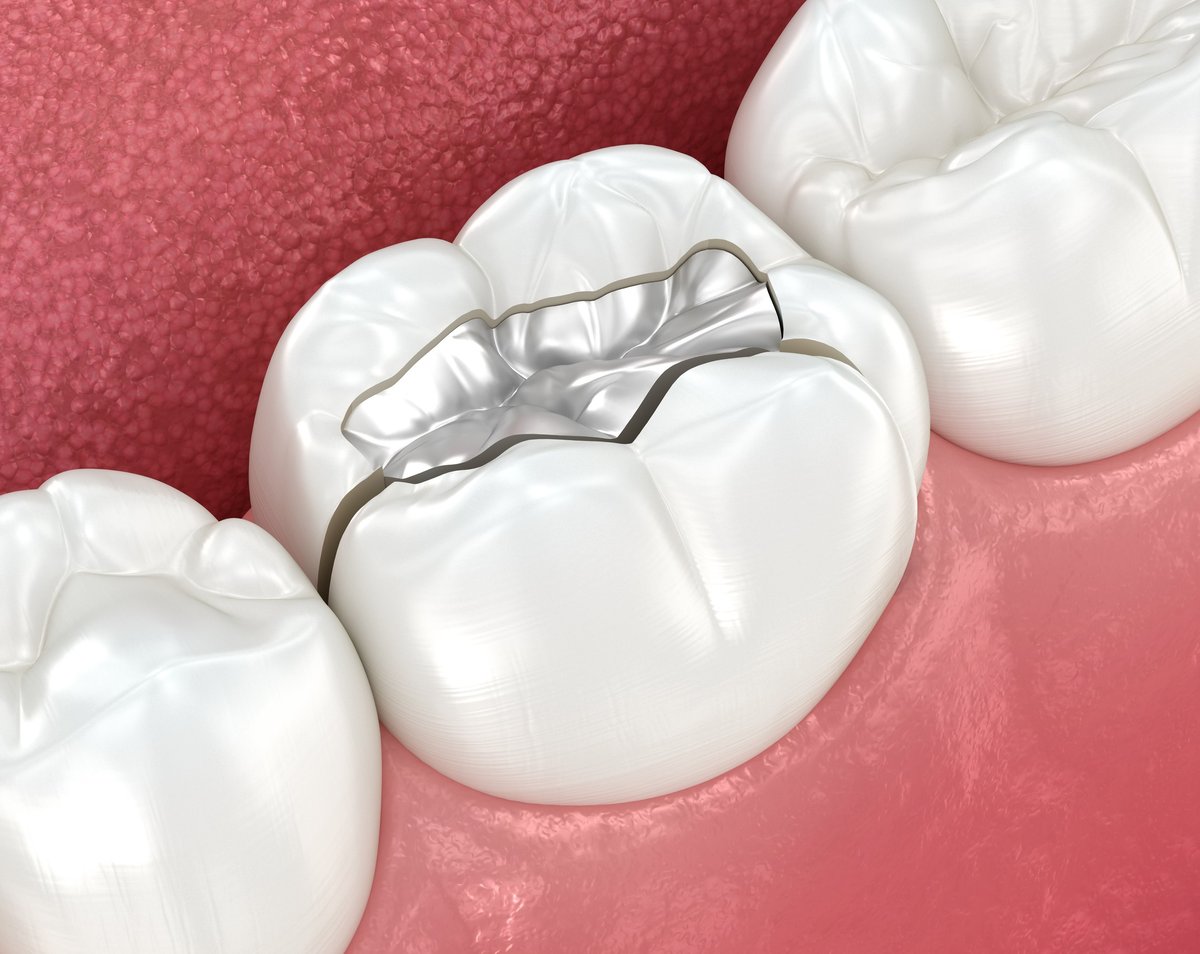
A chipped front tooth can happen after an accident or biting into something unexpectedly hard. But if your front teeth seem to chip repeatedly, it's worth asking whether something else could be contributing to the problem.
If you've noticed chipped front teeth in Strathpine, your bite may be playing a role. While not every chipped tooth is caused by orthodontic issues, certain bite patterns can place extra pressure on specific teeth over time. An orthodontic assessment can help determine whether your bite is contributing to the problem and discuss suitable treatment options.
At Smart Smile Orthodontics, we support patients from Strathpine, Bray Park, Lawnton, Petrie, Warner and Brendale who want to better understand their bite and explore orthodontic solutions where appropriate.
Your front teeth are designed to bite into food, but they aren't intended to absorb excessive pressure repeatedly. If your bite isn't evenly balanced, some teeth may experience more force than others every time you eat, speak or clench your teeth.
Over time, this extra pressure may increase the likelihood of small chips or wear.
Several orthodontic issues can affect how your teeth meet.
With a deep overbite, the upper front teeth may overlap the lower teeth more than usual, placing additional pressure on certain teeth.
An edge-to-edge bite occurs when the upper and lower front teeth meet directly against each other. This can increase the risk of chipping and wear over time.
A crossbite may cause teeth to contact each other unevenly during chewing, creating areas of increased stress.
Crowding can change the way biting forces are distributed across your teeth, sometimes causing individual teeth to receive more pressure.
Grinding or clenching — often during sleep — can gradually weaken tooth enamel and contribute to repeated chipping.
Not every chipped tooth is related to your bite. Other possible causes include:
A thorough examination helps determine the most likely cause.
If you've chipped a tooth or notice recurring chips, a few simple steps may help protect your smile.
Try to avoid chewing ice, hard nuts or other very hard foods until your teeth have been assessed.
If you play contact sports, wearing a properly fitted mouthguard can help reduce the risk of dental injuries.
If you suspect you grind your teeth at night, mention this during your appointment so it can be assessed.
Healthy teeth and gums provide the best foundation for any future dental or orthodontic care.
It may be worthwhile arranging an orthodontic consultation if:
An assessment can determine whether your bite is contributing to the problem and discuss suitable treatment options if orthodontic care is appropriate.
Where bite problems are contributing to excessive pressure on certain teeth, orthodontic treatment may help improve how your teeth meet.
Depending on your individual needs, treatment options may include braces or clear aligners. The goal is to improve tooth alignment and bite function while supporting long-term oral health. Your orthodontist will recommend a personalised treatment plan based on your clinical assessment.
Smart Smile Orthodontics proudly supports patients across:
If you're experiencing repeated chipped teeth or have concerns about your bite, our team can assess your orthodontic health and discuss whether bite correction may be beneficial.
In some cases, an overbite may place additional pressure on the front teeth, which can contribute to wear or chipping over time. An orthodontic assessment can determine whether this applies to your situation.
Yes. Teeth grinding or clenching can gradually wear down enamel and increase the risk of chips or cracks.
A dentist can assess and repair chipped teeth. If your dentist suspects your bite is contributing to the problem, they may recommend an orthodontic assessment.
For some patients, clear aligners such as Invisalign may help correct certain bite issues. The most appropriate treatment depends on your individual orthodontic assessment.
If bite problems are contributing to excessive pressure on your teeth, orthodontic treatment may help reduce those forces. However, outcomes vary, and your orthodontist will discuss the most suitable approach for your circumstances.